
Salivary Gland Tumours Treatment in kolkata
Understanding Salivary Gland Tumours
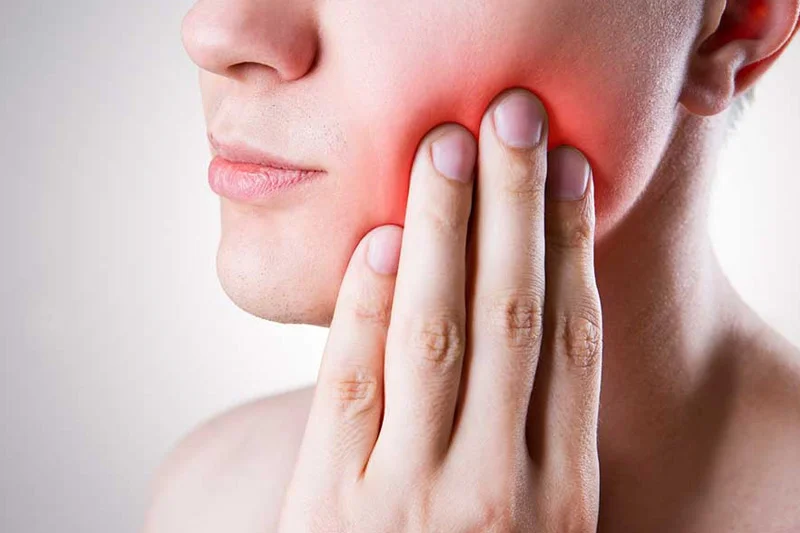
Salivary gland tumors refer to tumors that originate from the major salivary glands (parotid, submandibular and sublingual glands) and sometimes from minor salivary glands. The largest of the major salivary gland is the parotid gland, located in front of and below the ears on both sides. Submandibular glands are located below the mandible or jaw bone on either side. These tumors can be benign (non-cancerous) or malignant (cancerous), with malignant tumors being less common but more concerning due to their potential to spread to other parts of the body.
Types of salivary gland tumors
Type
There are various types of salivary gland tumors-pleomorphic adenoma, Warthin’s tumor (which are benign tumors) and amongst carcinoma the most common variants are mucoepidermoid carcinoma, adenoid cystic carcinoma, acinic cell carcinoma, and carcinoma ex pleomorphic adenoma.
Symptoms
While parotid tumors present with swelling or lump in front of and below the ears, submandibular gland tumors present with swelling or lump below the jaw bone. In advanced stages, parotid tumors can have facial weakness or paralysis, difficulty swallowing, numbness in the face, persistent pain in the area, or fluid drainage from the ear.
Diagnosis
Diagnosis of salivary gland tumors typically involves a combination of physical examination, imaging tests (such as ultrasound, CT scan, or MRI), and biopsy to examine tissue samples under a microscope. Fine needle aspiration (FNA) biopsy may be used to obtain a sample for analysis.
Treatment
Treatment depends on several factors such as the type of tumor, location of the tumor, and stage of the disease in case of cancers. Main treatment of salivary gland tumors is surgery (which may involve partial or total removal of the parotid gland/excision of salivary gland) with or without radiation therapy and/or chemotherapy (In case of cancers), or a combination of these approaches.
Prognosis
The prognosis of salivary gland tumors depend on factors such as the histology, the type and stage of the cancer, as well as the effectiveness of treatment. Generally, tumors that are detected and treated early have a better prognosis than those that have spread to other parts of the body.
Follow-up Care
Patients who have been treated for salivary gland cancers typically require long-term follow-up care to monitor for any signs of recurrence or complications. This may include regular physical examinations, imaging tests, and other evaluations as recommended by their healthcare providers.
FAQs ON Salivary Gland Tumors Treatment in Kolkata
Salivary gland tumours are abnormal growths that form in the glands responsible for producing saliva — mainly the parotid, submandibular, and sublingual glands. These tumours can be benign or malignant. At Kolkata Head and Neck Oncology, our specialists diagnose and treat all types of salivary gland tumours using advanced surgical and oncological approaches.
Common symptoms include a lump or swelling near the jaw, ear, or neck, facial weakness, difficulty swallowing, or persistent pain. If you notice any such changes, it’s best to consult a head and neck cancer specialist like those at Kolkata Head and Neck Oncology for early evaluation and treatment.
Diagnosis involves clinical examination, imaging tests like MRI or CT scans, and fine needle aspiration cytology (FNAC) to determine the nature of the tumour. The experts at Kolkata Head and Neck Oncology use precise diagnostic tools to ensure accurate identification before planning surgery or other treatment.
- Tumor excision with clear margins
- Neck dissection (removal of affected lymph nodes)
- Microvascular reconstructive surgery
- Voice-preserving laryngeal surgery
- Complex skull base and salivary gland surgery
Thyroid and parathyroid surgeries
Treatment depends on the type and stage of the tumour. Surgery is often the primary approach, followed by radiation therapy or chemotherapy if needed. The surgical team at Kolkata Head and Neck Oncology specializes in minimally invasive and nerve-sparing techniques to ensure safe and effective outcomes.
Not always. Benign tumours may be managed with careful observation or minor surgery, while malignant ones require more extensive removal. A consultation with our specialists will help determine the most appropriate treatment plan for your condition.
Recovery time varies depending on the complexity of the surgery. Most patients return to normal activities within a few weeks. The team at Kolkata Head and Neck Oncology provides comprehensive post-operative care and rehabilitation to ensure a smooth recovery.
While there are no guaranteed prevention methods, maintaining a healthy lifestyle, avoiding tobacco, and seeking prompt medical care for any persistent lumps or pain can reduce your risk. Regular check-ups with a head and neck oncologist in Kolkata can help with early detection.
Kolkata Head and Neck Oncology offers specialized, evidence-based care for all types of head and neck cancers, including salivary gland tumours. Our team of experienced surgeons, including experts like Dr. Harsh Dhar, Dr. Sourav Datta, and Dr. Kinshuk Chatterjee, ensures comprehensive diagnosis, advanced surgical precision, and personalized patient care.