THYROID disorder treatment in Kolkata
Understanding THYROID DISORDER
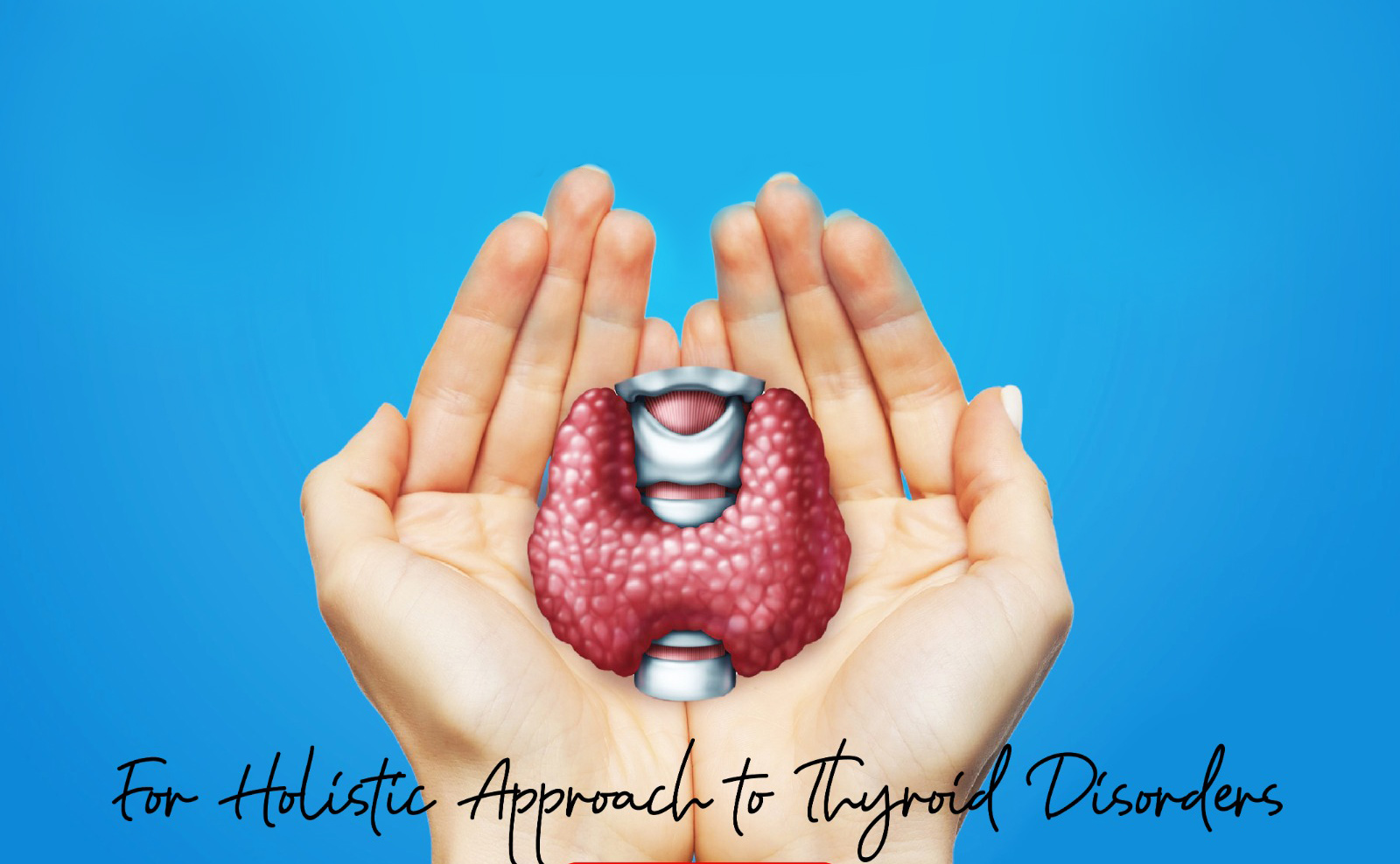
Thyroid gland is a butterfly shaped gland located in front of the neck overlying the voicebox (larynx) and the windpipe (trachea). It is the largest endocrine organ of the body and secretes hormones (T3 and T4) being regulated by another hormone called TSH secreted from the pituitary gland. Disorders of the thyroid gland can be either a hormonal imbalance affecting vital functions like cardiovascular and metabolic functions or can be a structural abnormality (formation of nodules-benign or malignant).
Hence, treatment of thyroid disorders often require the concerted expertise of an endocrinologist, endocrine surgeon and head and neck surgeon.
Thyroid tumors
Type
Majority of thyroid tumors are benign and might not always require a surgery unless it causes some compressive symptoms (like difficulty in swallowing or breathing) or cosmetic concerns. Cancers of thyroid gland refers to malignant nodules arising either from the follicular cells of the thyroid (differentiated thyroid cancers) or from parafollicular C cells (medullary thyroid cancers).
Symptoms
Symptoms are mainly a swelling in front of the neck that moves while swallowing, a lump or swelling in the side of the neck, and in advanced stages, change in voice, difficulty in swallowing or breathing.
Diagnosis
Diagnosis typically involves a combination of physical examination, imaging tests (such as USG of neck, CT scan or MRI and rarely a PET-CECT scan), and FNAC/biopsy to examine tissue samples under a microscope along with a thyroid function test (T3, T4, TSH). A telescopic examination to see the status of vocal cords is mandatory before any thyroid surgery
Treatment
The treatment of thyroid cancer is generally surgery with or without the need for adjuvant treatment (either radio- iodine therapy or radiation therapy in certain selected cases). Surgery usually involves removing one half or the entire of the thyroid gland depending upon the size of nodule and presence or absence of metastatic neck nodes, with or without a neck dissection. In advanced recurrent thyroid cancers, targeted therapy might be warranted, if surgery is not feasible. Surgery might be required in benign thyroid nodules as well when they are large and cause any compressive symptoms like difficulty in swallowing or breathing.
Prognosis
The prognosis for thyroid cancers depends on the histology of tumor, the age of the patient and stage of the disease at presentation. patients with differentiated thyroid cancers usually do better than those with medullary cancers. Anaplastic thyroid cancer, which is rare as compared to differentiated and medullary cancers, usually carries the worst prognosis.
Follow-up Care
Patients who have been treated for thyroid carcinoma typically require long-term follow-up care to monitor for any signs of recurrence or distant metastasis. This includes regular physical examinations, thyroid function tests, measurement of tumor markers (Thyroglobulin or calcitonin and CEA), imaging tests (USG neck or CT scans/PET scans). Patients with benign thyroid tumors usually do not require life long follow up.
Educational Videos on Thyroid Cancer
FAQs ON THYROID DISORDER in Kolkata
Thyroid disorders are conditions that affect the thyroid gland — a small, butterfly-shaped gland located in the neck that regulates metabolism, growth, and energy. Disorders may include hypothyroidism (underactive thyroid), hyperthyroidism (overactive thyroid), thyroid nodules, goitre, and thyroid cancer. At Kolkata Head and Neck Oncology, our specialists diagnose and treat all types of thyroid conditions using evidence-based medical and surgical approaches.
Surgery is recommended if:
- The thyroid nodule is cancerous or suspicious for cancer.
- There is pressure on the windpipe or difficulty swallowing.
- Medication or radioactive iodine isn’t effective.
Kolkata Head and Neck Oncology’s skilled surgeons perform both partial and total thyroidectomy depending on your condition.
Yes, thyroid surgery is generally safe when performed by an experienced head and neck surgeon. Our specialists take extra precautions to protect the vocal cords and parathyroid glands during the procedure. Most patients recover well and resume normal activities within a few weeks.
Recovery is typically quick. Mild discomfort, sore throat, or voice changes may occur temporarily. Patients are usually discharged within a day or two. Post-operative follow-up includes monitoring calcium levels and thyroid hormone replacement if needed.
While not all thyroid disorders are preventable, maintaining adequate iodine intake, managing stress, avoiding unnecessary radiation exposure, and regular health check-ups can help detect thyroid problems early.
Kolkata Head and Neck Oncology is a leading centre for thyroid disorder and thyroid cancer treatment in Kolkata. Our expert surgeons — including Dr. Harsh Dhar, Dr. Sourav Datta, and Dr. Kinshuk Chatterjee — are highly trained in advanced thyroid and head & neck surgeries, ensuring safe, effective, and personalized care for every patient.