
SINONASAL MALIGNANCIES Kolkata
Understanding SINONASAL MALIGNANCIES
Sinonasal malignant tumors are rare tumors that constitute about 3% of tumors in the upper respiratory tract. Only a fraction arises at the nasal cavity and majority of the rest arise from paranasal sinuses (maxillary sinus, ethmoid sinus, frontal and sphenoid sinus). Their proximity to vital structures such as the brain, optic nerves, and internal carotid artery pose significant challenges for their treatment and may be the source of significant morbidity to the patients.
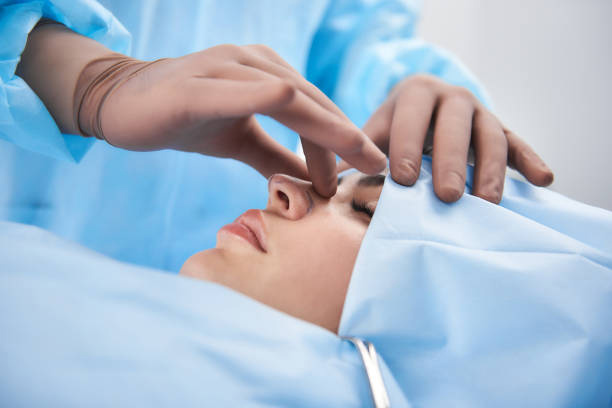
Types of Sinonasal Malignancies
Types
These tumors may be epithelial tumors (squamous cell carcinoma, olfactory neuroblastoma etc), nonepithelial (like various types of sarcomas), mesenchymal or lymphoreticular.
Risk Factors
Risk factors for sinonasal malignancies include smoking and occupational exposure to soft and hard wood dust, heavy metals.
Symptoms
Patients with sinonasal malignancies can present with symptoms of nasal blockage, headache and facial pain, running nose, bleeding from nose, loss of smell, feeling of a growth inside nose and in advanced stages swelling of cheek, broadening of nasal bridge, difficulties in vision etc.
Diagnosis
Diagnosis typically involves biopsy from the lesion under endoscopic guidance, cross-sectional imaging (MRI or CT scans) of face and neck, distant metastatic workup (CT thorax or PET CECT scans).
Treatment
Surgery forms the mainstay of treatment for most of the sinonasal tumors. Surgery may be solely endoscopic (through the nose) or open approach (craniofacial resection) or a combination of both depending upon the extent of tumor. Radiation therapy is often required in advanced stages and in aggressive tumor histology. Radiation alone, without surgery is reserved for unresectable cases, in patients who are not fit for surgery and in certain lymphoreticular cancers. Chemotherapy may be considered before surgery in some cases to shrink the tumor and render it operable.
Prognosis
The prognosis of sinonasal tumors varies depending upon the tumor variety, stage of presentation, age of the patient and type of treatment. Usually patient needs to be on follow up lifelong and requires examination by an endoscope and if required an imaging (CT or MRI scan).
FAQs ON Sinonasal Malignancies in Kolkata
Watch out for symptoms such as:
Nasal blockage (especially one-sided) that doesn’t go away with home remedies or nasal sprays.
Repeated nosebleeds or blood-tinged discharge.
Facial swelling, pain, or numbness around the cheeks, nose, or eyes.
Loss of smell, diplopia (double vision), blurred vision, or bulging of the eye in advanced cases.
Headaches, pressure over the sinus area, or dental discomfort (upper teeth).
Yes, in many cases, sinonasal malignancies can be removed using endoscopic endonasal surgery, a minimally invasive procedure performed through the nostrils. This approach reduces scarring, recovery time, and hospital stay. However, extensive tumours involving the skull base may require open surgery for complete removal.
Recovery time varies depending on the type of surgery and additional treatments. Most patients recover within a few weeks after minimally invasive surgery, while more complex surgeries may take longer.
Prognosis depends on the stage of diagnosis, tumour type, extent of spread, and treatment response. Early detection significantly improves survival and quality of life. At Kolkata Head and Neck Oncology, patients benefit from expert multidisciplinary management and cutting-edge surgical precision.
While there’s no definite way to prevent sinonasal cancer, you can lower your risk by:
- Avoiding tobacco and chemical exposure (like wood dust or leather fumes)
- Seeking medical help for persistent nasal symptoms
- Going for regular ENT or oncology check-ups if you are at higher occupational risk
Kolkata Head and Neck Oncology offers specialized care led by renowned surgeons such as Dr. Harsh Dhar, Dr. Sourav Datta, and Dr. Kinshuk Chatterjee. Our centre provides advanced endoscopic skull-base surgery, personalized cancer care, and comprehensive follow-up for sinonasal malignancies in Kolkata.