
Head and neck cancer Surgery Kolkata
Understanding Head and Neck Cancer
Head and neck cancer refers to a group of cancers that develop in the tissues of the head and neck region. This includes cancers arising in the oral cavity (mouth), throat (pharynx), voice box (larynx), salivary glands, nasal cavity and paranasal sinuses, thyroid gland, the ears, and the skin of the face, neck and scalp. These cancers can affect various structures and organs involved in the vital functions of breathing, speaking, swallowing, and other essential functions.
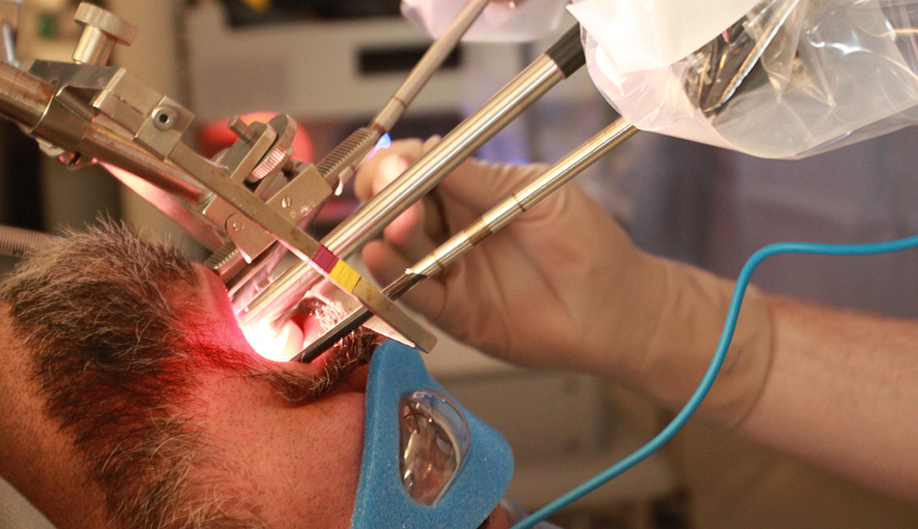
Types of Head and Neck Cancer
Here are some key points about head and neck cancers :
Types
Head and neck cancer encompasses a wide range of cancer types, including squamous cell carcinoma (the most common type), adenocarcinoma, adenoid cystic carcinoma, mucoepidermoid carcinoma, sarcoma, lymphoma, and melanoma, amongst others. The type of cancer depends on the specific tissues or organs affected.
Risk Factors
Several factors increase the risk of developing head and neck cancer, including tobacco use (smoking or chewing), heavy alcohol consumption, human papillomavirus (HPV) infection, chronic exposure to certain chemicals or toxins (such as those found in the workplace), poor orodental hygiene, chronic irritation or inflammation (such as from ill-fitting artificial dentures or sharp teeth and persistent throat infections), and a diet lacking in fruits and vegetables.
Symptoms
Symptoms of head and neck cancer can vary depending on the location and the stage of the cancer at presentation but, in general, may include a persistent sore throat, difficulty or pain in swallowing (dysphagia/odynophagia), a lump or mass in the neck, change in voice (hoarseness), persistent ear pain, unexplained weight loss, a sore or an ulcer in the mouth that doesn't heal on its own in 2 weeks of time, and swelling or pain in the face or neck.
Diagnosis
Diagnosis typically involves a combination of physical examination, imaging tests (such as CT scans, MRI scans, or PETCT scans), endoscopy (using a flexible or rigid scope to visualize the inside of the throat and airway), and biopsy to examine tissue samples under a microscope. Early detection is the key to successful treatment.
Treatment
Treatment for head and neck cancer depends on factors such as the type of cancer, the stage of the disease, and location of the cancer, as well as the patient's overall health and preferences. Treatment options may include surgery, radiation therapy, chemotherapy, targeted therapy, immunotherapy, or a combination of these approaches.
Rehabilitation and Support
Treatment for head and neck cancer can impact functions such as swallowing, speaking, breathing, and eating. Hence, rehabilitation and supportive care, including speech and swallowing therapy, nutritional support, psychological support, and assistance with coping strategies, are important aspects of a comprehensive care for patients with head and neck cancer.
FAQs ON Head and Cancer Surgery in Kolkata
Head and neck surgery may be required for cancers of the oral cavity, tongue, throat (larynx/pharynx), thyroid, salivary glands, nasal cavity, sinuses, and neck lymph nodes. Depending on the site and stage, surgery may be combined with radiation and chemotherapy.
Surgery is usually the first-line treatment for most early-stage tumors, especially when the cancer is localized. In advanced cases, surgery may be performed after chemotherapy or radiation (known as multimodal treatment) to improve outcomes.
Our team offers a wide range of surgical procedures including:
- Tumor excision with clear margins
- Neck dissection (removal of affected lymph nodes)
- Microvascular reconstructive surgery
- Voice-preserving laryngeal surgery
- Complex skull base and salivary gland surgery
Thyroid and parathyroid surgeries
Our goal is always oncological safety with maximum function preservation. Depending on the location, advanced reconstructive techniques are used to restore speech, swallowing, facial aesthetics, and neck movement. Rehabilitation support is provided post-surgery.
Yes. Selected cases — especially oropharyngeal, tongue base, and thyroid cancers — may be treated through Transoral Robotic Surgery (TORS) or endoscopic approaches for faster recovery and minimal scarring.
Recovery varies based on the type of surgery. Minor procedures may require 1–2 days of hospitalization, while major reconstructive surgeries may need a week or more, followed by speech or swallowing therapy if needed.
There is a possibility of recurrence, especially in tobacco-related cancers. Regular follow-up visits, imaging scans, and lifestyle changes like quitting tobacco and alcohol are essential to maintain long-term recovery.